I was this close…
If you want to talk about anything other than football, do it here and here only. Thanks. Read More “Politics and other crap”
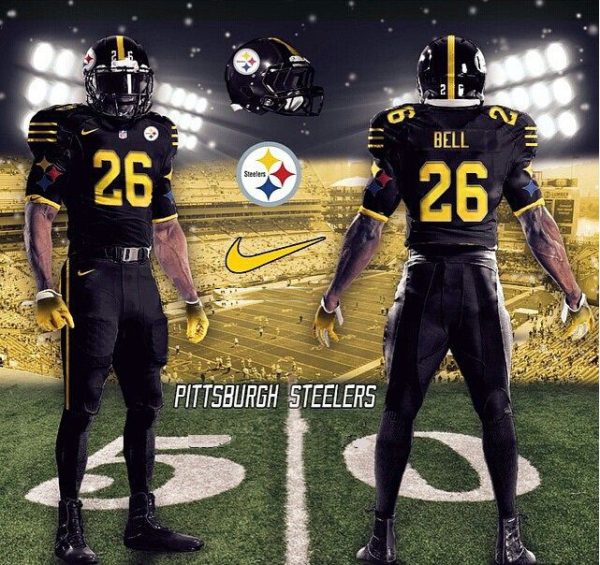
Except that Ricky has no fashion sense.
Current NFL strategies are largely based on the wide open nature of modern offenses being run by historically excellent quarterbacks. But will this trend continue? Here are the top 20 active starting quarterbacks ordered by QB ranking, with their ages at the end of this season:
| Rank | Quarterback | Age at End 2016 | Rating |
| 1 | Aaron Rodgers | 33 | 104.1 |
| 2 | Russell Wilson | 28 | 101.8 |
| 3 | Tony Romo | 36 | 97.1 |
| 4 | Tom Brady | 39 | 96.4 |
| 5 | Drew Brees | 38 | 95.8 |
| 6 | Philip Rivers | 35 | 95.5 |
| 7 | Ben Roethlisberger | 35 | 94 |
| 8 | Matt Ryan | 31 | 90.9 |
| 9 | Matt Schaub | 35 | 89.1 |
| 10 | Andy Dalton | 29 | 88.4 |
| 11 | Cam Newton | 27 | 88.2 |
| 12 | Carson Palmer | 37 | 88.1 |
| 13 | Jay Cutler | 33 | 86 |
| 14 | Matthew Stafford | 29 | 85.8 |
| 15 | Ryan Tannehill | 28 | 85.2 |
| 16 | Andrew Luck | 27 | 85 |
| 17 | Joe Flacco | 32 | 84.7 |
| 18 | Alex Smith | 32 | 84.5 |
| 19 | Eli Manning | 36 | 83.5 |
| 20 | Matt Hasselbeck | 41 | 82.4 |
Let’s assume that quarterbacks who will be 35 or over by the end of this season will be retired within three more seasons. By the end of the 2019 season quarterbacks in this list would range from age 38 to 42. A quick glance at the above table shows that this group includes most of the elite talent of today.
What would be left in the wake of this gutting of talent would be the following, excluding any infusion of new talent:
| Rank | Quarterback | Age at End 2019 | Rating |
| 1 | Aaron Rodgers | 36 | 104.1 |
| 13 | Jay Cutler | 36 | 86 |
| 17 | Joe Flacco | 35 | 84.7 |
| 18 | Alex Smith | 35 | 84.5 |
| 8 | Matt Ryan | 34 | 90.9 |
| 10 | Andy Dalton | 32 | 88.4 |
| 14 | Matthew Stafford | 32 | 85.8 |
| 2 | Russell Wilson | 31 | 101.8 |
| 15 | Ryan Tannehill | 31 | 85.2 |
| 11 | Cam Newton | 30 | 88.2 |
| 16 | Andrew Luck | 30 | 85 |
The average rating of today’s top 10 QBs is 95.31. The average rating of the top 10 remaining after the current crop of old timers retires is 89.96. That is a significant decline in league-wide QB talent – roughly the equivalent of a drop from Tom Brady to Matt Ryan, or a drop from Ben Roethlisberger to Matt Schaub.
Now of course new talent can and will enter the NFL in the interim, but the incoming draft class appears to be solidly mediocre. Even if a new star is found in each of the subsequent three drafts, this will not be sufficient to replace the 8 or 9 elite quarterbacks likely to be lost during that period.
What these facts suggest is that the current pass-heavy offense-oriented style of the NFL may be changing, and long term planning for a team’s offensive and defensive style should probably take these facts into consideration.